
New World Sourdough: Artisan Techniques for Creative Homemade Fermented Breads, written by Bryan Ford, features a step-by-step guide to working with sourdough along with an exciting collection of breads and pastries inspired by his Honduran roots and New Orleans upbringing. A few highlights include Coco Rugbrød, Plantain Sourdough, Pan de Café (Coffee Bread), Whole-Grain Pineapple Cream Beignets, and Pan de Agua (Water Bread). I will also be sharing his recipe for Semitas de Yema following the review.
Disclosure: I received this book from Quarry Books in exchange for my honest review. All opinions and statements are my own. This post contains Amazon affiliate links. If you purchase something through the link, I may receive a small commission at no extra charge to you.
Bryan Ford
Bryan Ford is a bread baker from New Orleans and creator of the blog, Artisan Bryan. His website won the 2019 Saveur magazine award for Best Baking and Sweets Blog. He is also a recipe consultant for bakeries in the United States and Central America. This is his first cookbook.
Check out Bryan’s blog and Instagram for more sourdough recipes, online workshops, and tutorials to accompany the book.
New World Sourdough
New World Sourdough is divided into two parts- first covering Sourdough Techniques, followed by recipes for Rustic Breads and Enriched Sourdough Breads. The recipes are listed in the table of contents with page number for easy reference.
Bryan begins with a short introduction with his family history and how it inspired his passion for bread baking. This passion shines across the pages and throughout the recipes.
He states, “My intentions for writing this book are not only to share my recipes and stories with you, but also to embrace a more simplified bread-making process that celebrates creative approaches to flavor while appreciating the quality of every single loaf that comes out of the oven.”
He then shares a few basic tools and ingredients to help get you started before discussing how to make and maintain a sourdough starter.
This was actually my first time ever making sourdough (I used the recommended 100 percent rye flour starter). I especially appreciated Bryan’s thorough instructions with what to look for in addition to times and the instructions on maintaining the starter each day. The guide to shaping, proofing, and baking bread was also helpful.
The photography is provided by Stephanie Lynn Warga. Every single recipe is accompanied by at least one half to full page photo of the finished bread. There are also a few step-by-step photos to demonstrate techniques in mixing and shaping the dough.
Measurements are listed in Metric and you will need an accurate kitchen scale. Each bread includes a headnote with background information, personal stories, yield, tips, and serving ideas.
Semitas de Yema
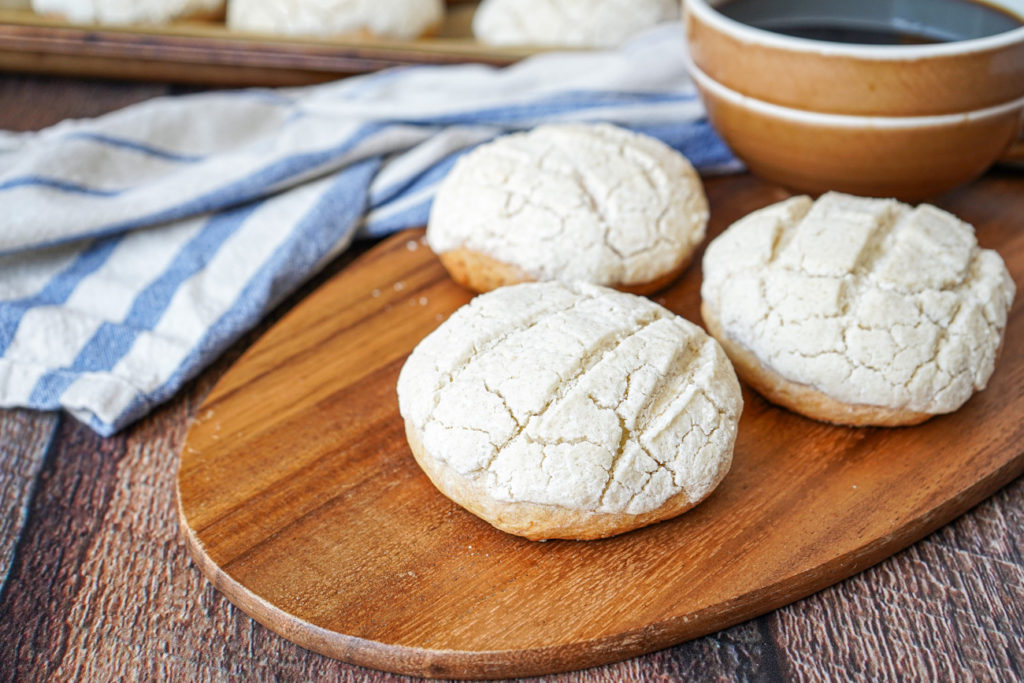
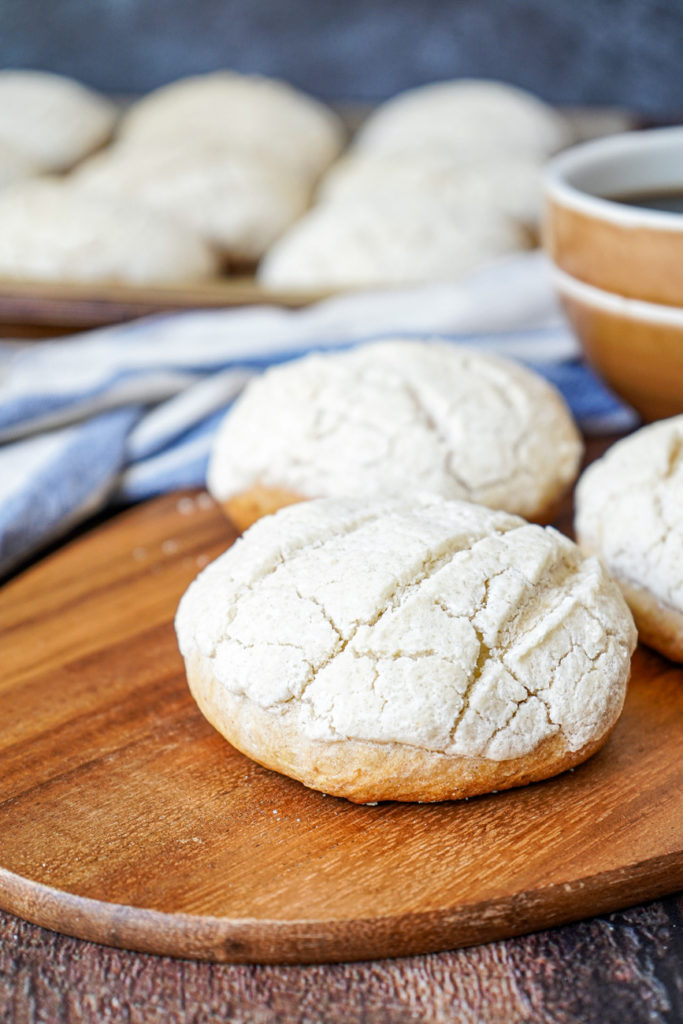
The Semitas de Yema are such a fun and delicious treat to pair with coffee (the kids loved them with hot chocolate).
This rich bread is packed with butter, sugar, and egg yolks (200 grams measured out to around 11 large egg yolks!). The resulting semisweet, dense pastry is topped with a crumbly, coconut oil-based crust for a wonderful contrast in texture and flavor.
Bryan’s father would bring home a bag of Semitas from the local Honduran bodega after school to enjoy with warm beverages on the porch.
He states, “Having proper semitas is akin to having a proper croissant- the moment you know you are going to eat one is filled with a happiness that can only be satisfied by eating as many as possible.”
More Sourdough
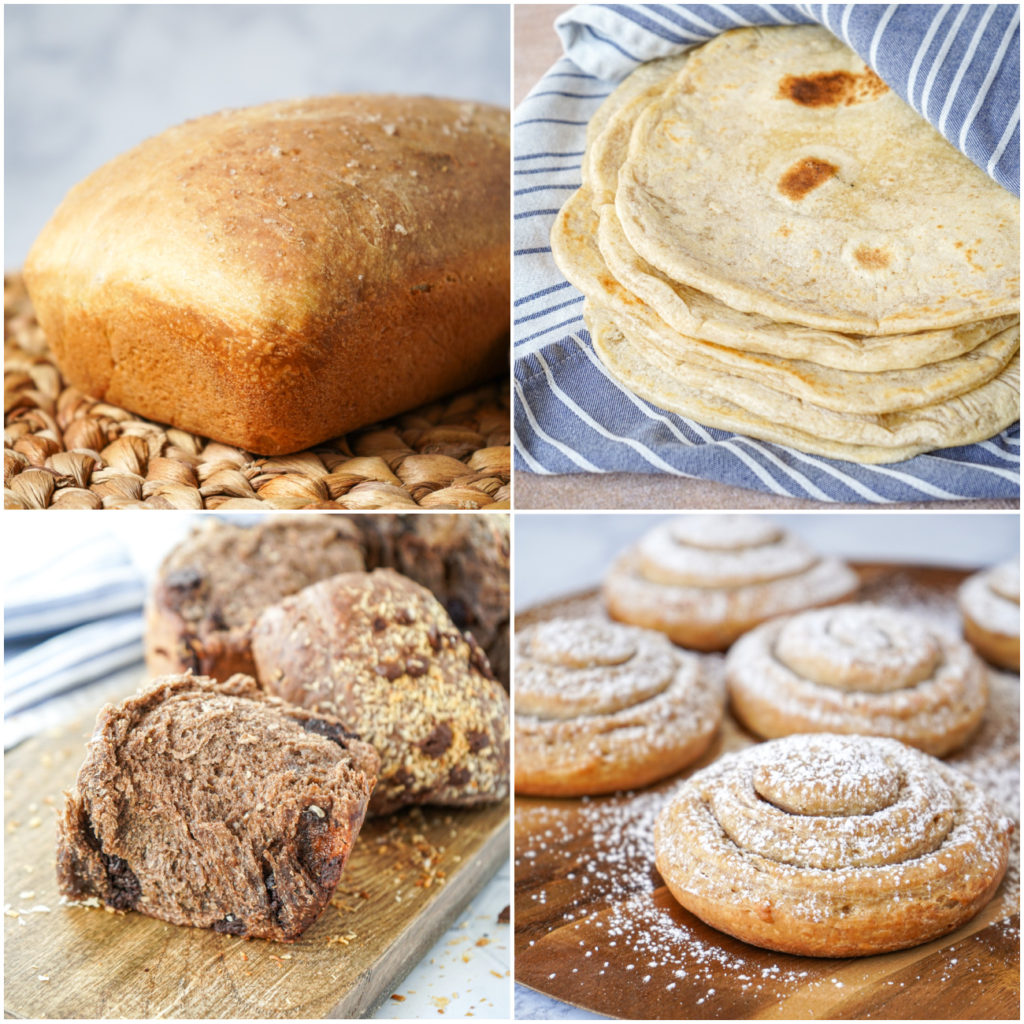
I also made Bryan’s Olive Oil and Sea Salt Tin Loaf, Tortillas de Harina (Flour Tortillas), Choco Pan de Coco, and Mallorcas.
The very first recipe I tried with my new mature starter was the Olive Oil and Sea Salt Tin Loaf. This bread is especially perfect for beginners. After building the levain, it is mixed with flour, olive oil, water, and salt, then proofed and baked until tender with a golden crust.
The Tortillas de Harina (Flour Tortillas) were another favorite. I absolutely loved the addition of the coconut milk. Bryan mentions that the best way to use these tortillas is to fill them with creamy beans and salty cheese to make Baleada Sencilla.
For the Choco Pan de Coco, Bryan incorporates new flavors, colors, and textures to his classic Pan de Coco with a delicious combination of coconut and chocolate. The result is a light and pillowy bread studded with chocolate chips and covered with toasted coconut.
The Mallorcas are another delicious, rich bread from the Enriched Breads chapter. These Puerto Rican sweet pastries are coiled, baked until golden, and topped with a generous dusting of powdered sugar.
New World Sourdough is a fun pick for those interested in sourdough baking. The recipes (and starter) do take some time and planning to develop. While the techniques generally aren’t difficult, most of the breads have multiple resting times that span over a few hours. There is a nice variety of both sweet and savory options.
Most of the ingredients are readily available in the average American grocery store. A few items that may require further searching include vanilla bean paste, tapioca flour, lard, spelt flour, semolina, and diastatic malt powder.
Semitas de Yema Recipe
Excerpt from New World Sourdough
Semitas de Yema
Ingredients
Levain Build:
- 100 grams mature sourdough starter
- 150 grams bread flour
- 50 grams whole-wheat flour
- 200 grams warm water
Final Dough Mix:
- 500 grams bread flour
- 500 grams all-purpose flour
- 200 grams egg yolks
- 250 grams granulated sugar
- 250 grams unsalted butter at room temperature
- 100 grams water
- 350 grams levain
- 5 grams salt
La Cubierta:
- 200 grams all-purpose flour plus more as needed
- 150 grams coconut oil
- 100 grams granulated sugar
Instructions
To build the levain:
- In a tall jar or medium bowl, mix the mature starter, flours, and warm water until incorporated.
- Cover with a lid or clean kitchen towel and leave in a warm place for 3 to 4 hours until doubled. You can use your levain immediately, or refrigerate it for 12 hours to use later or the next day.
To make the final dough mix:
- In a large bowl, mix all the final dough mix ingredients, squeezing them with both hands until a dough starts to come together.
- Cover the dough with a clean kitchen cloth or plastic bag and let ferment at room temperature for 6 hours.
- Refrigerate the dough for 12 hours.
To make la cubierta:
- Remove the dough from the fridge and let it sit on the counter while you make la cubierta.
- In a medium bowl, combine the flour, coconut oil, and granulated sugar.
- Whisk rapidly until you have a soft, crumbly mixture. You want it to be more dry than wet, so, if needed, add a bit more flour. Turn the mixture out on to a work surface and gently knead it into a ball. Set aside.
To shape and proof the dough:
- Line a sheet pan with parchment paper and set aside.
- Divide the dough into 120-gram pieces (about 16) and shape each one using the balling up technique.
- When you divide the dough, on a lightly floured surface (note here that too much flour may make it impossible to create tension in the ball of dough), gently pat the dough pieces down.
- Fold the corners into the middle and flip the dough over. Now, use the palm of your hand and your fingers to roll the ball back and forth until you have a small ball of dough and a smooth surface. Do not let the surface of the dough tear, which means you have shaped it too tightly. If you don't want to waste the torn dough, let it rest for a while and try to shape it again.
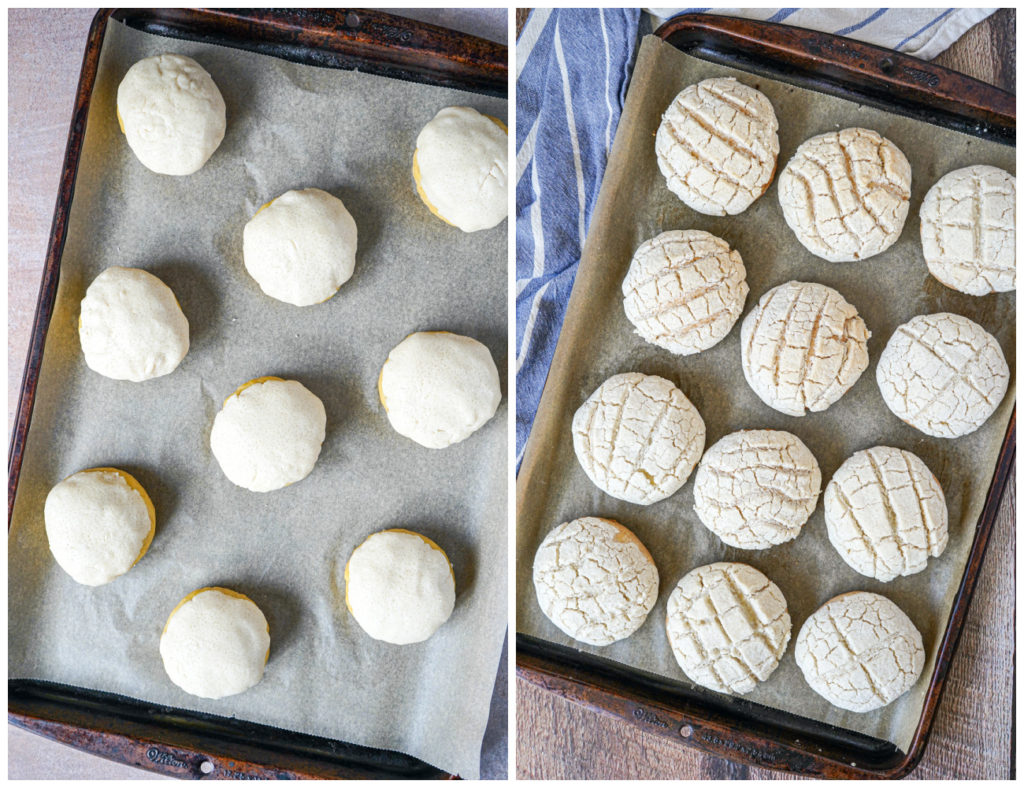
- Take a small handful of the cubierta mixture (around 20 grams, but you don't need to measure); make a flat disk with the mixture and place it on top of each rounded dough ball. Place the dough rounds on the prepared sheet pan.
- Proof the dough at room temperature for 4 hours (create a warm environment by covering the dough with a large plastic bag that doesn't touch the dough) or until you see some cracking in the cubierta and growth in size.
- You'll know the dough is ready to bake when the cubierta is cracking; however, it may not always crack. Use a razor blade or knife to cut some designs into the cubierta before baking, as desired.
To bake the bread:
- Preheat the oven to 375˚F (190˚C).
- Bake the semitas on the sheet pan for 30 minutes, or until golden brown.
- Let cool for 15 or 20 minutes to ensure they are cooked all the way through before eating. Remember, these are best enjoyed with your favorite cup of coffee. Dip it in and enjoy.
Ingrid
I am Honduran and I was looking for a sourdough version of semitas so I was happy to find this one! I have made it three times and I have to say this recipe is 10/10! Thanks for sharing!!
Tara
So happy to hear! Thank you Ingrid!